How to Prepare Your Roof for Storm Season on the Sunshine Coast
Queensland's storm season brings severe weather that can wreak havoc on unprepared roofs. From November through March, the Sunshine Coast, Brisbane, and Gympie regions experience intense storms featuring damaging winds, heavy rainfall, and destructive hail.
At Over The Top Roofing, we respond to hundreds of storm damage calls each season. The good news? Many costly repairs can be prevented with proper preparation. This comprehensive guide will help you protect your home before the next storm strikes.
Understanding Queensland Storm Season
What to Expect
Queensland's storm season typically runs from November to March, with peak activity in January and February. Our region experiences:
- Severe thunderstorms: Intense wind gusts exceeding 90 km/h
- Heavy rainfall: Up to 200mm in a single storm event
- Large hail: Stones ranging from 2cm to 5cm+ diameter
- Lightning strikes: Among Australia's highest rates
- Flash flooding: Rapid water accumulation
- Supercells: Rotating storms with extreme conditions
Recent Storm History
South East Queensland including the Sunshine Coast region has experienced significant storm events in recent years, causing millions in property damage. Homes with properly maintained roofs fared significantly better than those with deferred maintenance issues.
Essential Pre-Storm Season Roof Inspection
Schedule a Professional Inspection
Before storm season arrives, arrange a comprehensive roof inspection. At Over The Top Roofing, our thorough inspection includes:
Structural Assessment:
- Roof frame integrity
- Sagging or dipping areas
- Truss connections and condition
- Structural support adequacy
Roofing Material Condition:
- Tile integrity (cracks, breaks, loose tiles)
- Metal roof condition (rust, loose sheets, panel integrity)
- Overall wear and deterioration
- Age-related issues
Weatherproofing Elements:
- Flashing around chimneys, vents, and skylights
- Valley conditions
- Ridge capping security
- Sealant and caulking condition
Drainage Systems:
- Gutter attachment and alignment
- Downpipe connection and flow
- Valley drainage capacity
- Overflow relief provisions
DIY Pre-Season Checks
While professional inspection is essential, homeowners can perform basic visual checks:
From the Ground:
- Look for missing or damaged tiles
- Check for rust spots on metal roofs
- Observe sagging roof lines
- Note any obviously damaged or loose materials
From Inside the Roof Space (if accessible):
- Look for daylight through the roof
- Check for water stains on timber
- Inspect for existing leaks
- Verify insulation condition
Important: Never walk on your roof without proper safety equipment and training. Leave inspections requiring roof access to licensed professionals.
Critical Repair and Maintenance Tasks
1. Replace Damaged Roofing Materials
For Tile Roofs:
- Replace all cracked or broken tiles
- Secure loose tiles before storms arrive
- Check and replace damaged ridge capping
- Repair or replace deteriorated mortar bedding
For Metal Roofs:
- Address any rust spots immediately
- Replace severely corroded sections
- Tighten loose fixings
- Replace missing screws or fasteners
- Apply touch-up paint where needed
Why this matters: Damaged or loose roofing materials become dangerous projectiles in high winds, potentially injuring people or damaging property. They also create entry points for water infiltration.
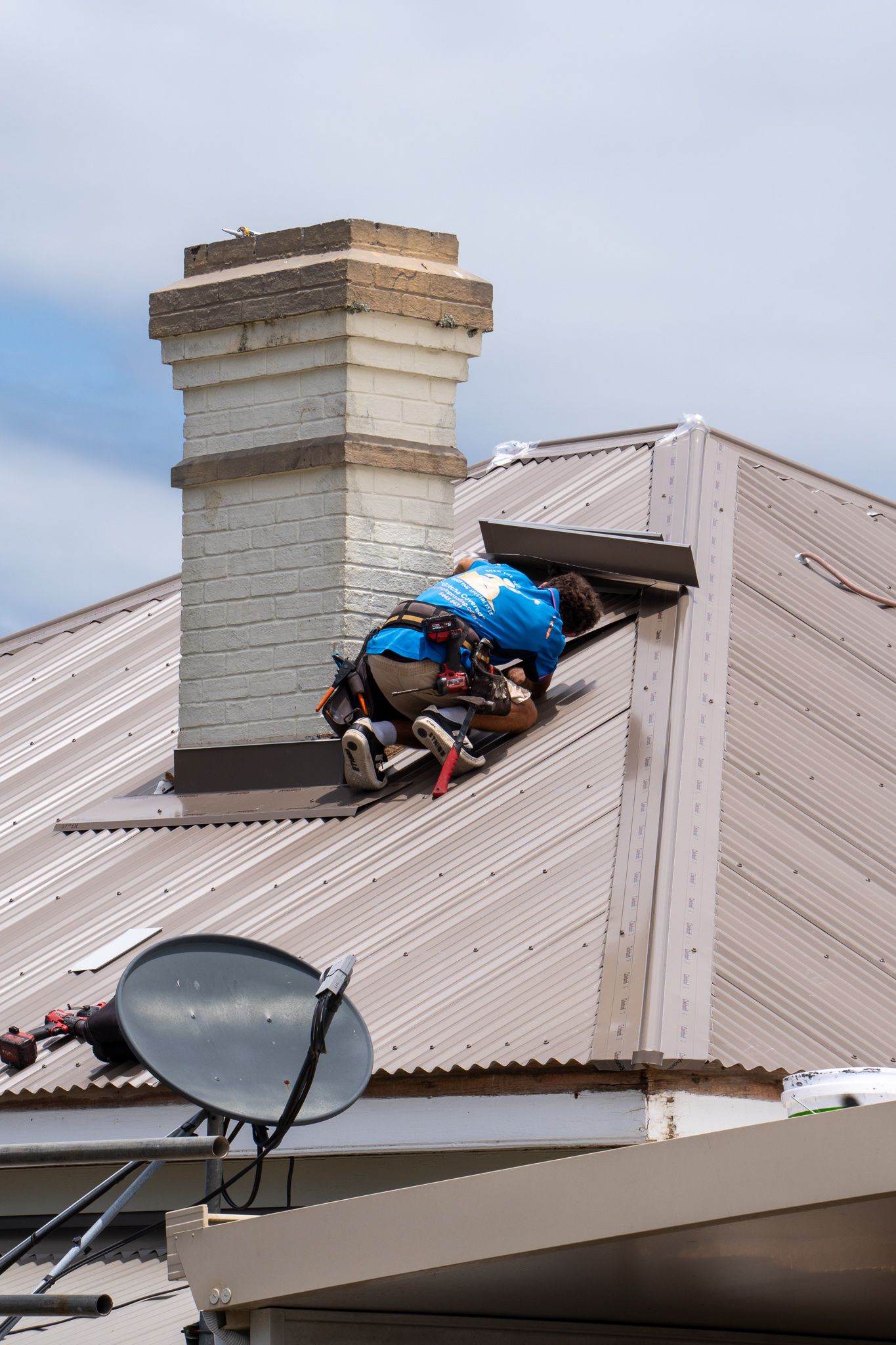
2. Repair and Secure Flashing
Flashing protects vulnerable roof areas where water can penetrate. Common flashing locations include:
- Chimney bases
- Vent pipe penetrations
- Skylight perimeters
- Roof valleys
- Wall-to-roof junctions
Essential flashing maintenance:
- Replace cracked or corroded flashing
- Reseal lifted flashing edges
- Ensure proper overlap and coverage
- Check and repair sealant around penetrations
3. Clean and Repair Guttering
Gutters are your first line of defence against water damage.
Pre-storm gutter preparation:
- Remove all leaves, twigs, and debris
- Clear downpipe blockages
- Check gutter alignment and slope
- Repair holes or corroded sections
- Secure loose gutter brackets
- Test water flow with a hose
- Consider installing gutter guards
Sunshine Coast tip: Our local vegetation drops constant debris. Clean gutters at least twice before storm season, once in early October and again in late November.
4. Trim Overhanging Branches
Trees pose significant storm hazards.
Tree maintenance priorities:
- Remove dead or dying branches
- Trim branches hanging over the roof
- Cut back limbs within 2 meters of the house
- Remove trees that are dead or structurally compromised
- Consider professional arborist assessment for large trees
Remember: Never attempt to remove large branches yourself. Hire qualified arborists with proper insurance and equipment.
5. Secure Ridge Capping and Finishes
Ridge capping protects the roof's highest, most vulnerable point.
Ridge capping checklist:
- Check for loose caps
- Verify mortar bedding integrity (tile roofs)
- Ensure proper screw fixings (metal roofs)
- Replace damaged or dislodged caps
- Confirm proper overlap and sealing
Upgrade Opportunities Before Storm Season
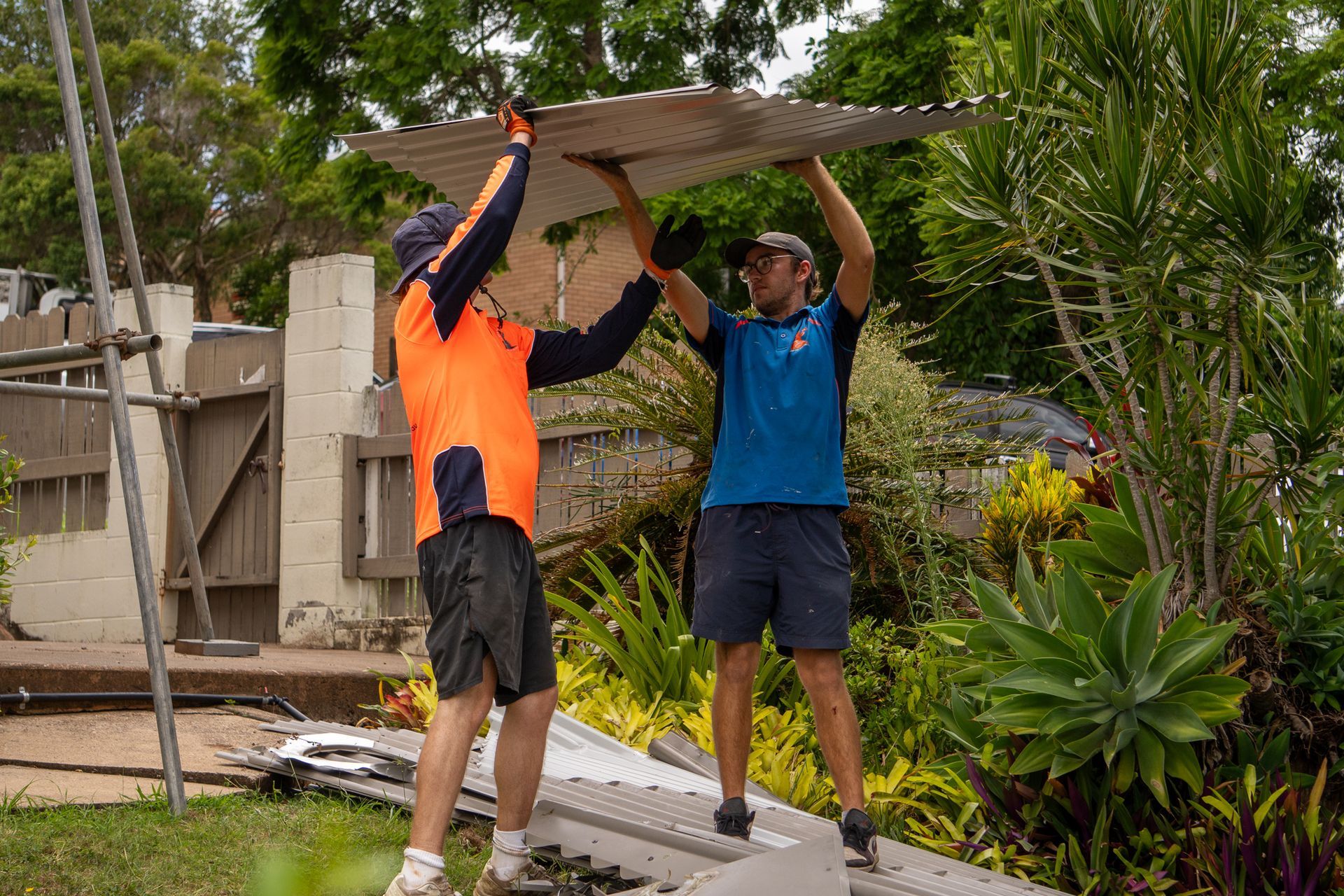
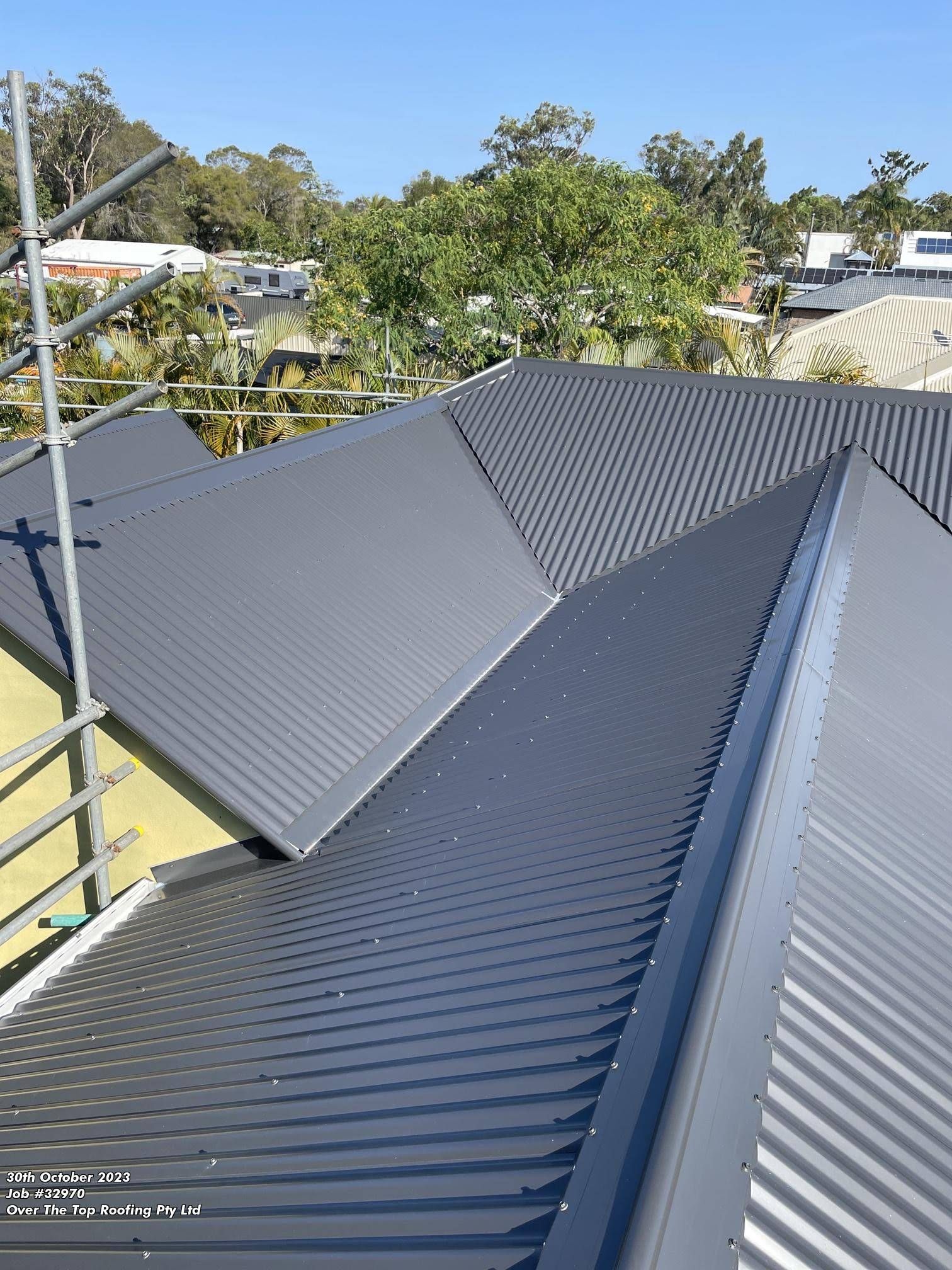
Consider COLORBOND® Steel Re-Roofing
If your tile roof is aging or has required frequent repairs, storm season is coming—consider upgrading to COLORBOND® steel before the weather turns severe.
Storm-season advantages of COLORBOND® steel:
Superior wind resistance: Properly installed metal roofing withstands extreme wind loads better than tiles. With correct fastening systems, COLORBOND® steel roofs can survive cyclonic conditions.
Hail resilience: While severe hail can dent metal roofing, it won't shatter like tiles. Minor dents don't affect the roof's weather-tightness or performance.
Faster water runoff: Metal roofing's smooth surface sheds water rapidly, reducing the risk of water penetration during heavy rainfall.
Proven durability: COLORBOND® steel undergoes extensive testing in tropical environments, including exposure to conditions replicating Queensland storm seasons.
Integrated drainage: Modern metal roofing systems feature concealed gutter designs and efficient water management built into the installation.
Install Gutter Leaf Pro Systems
Gutter guards prevent the debris buildup that causes overflow during storms.
Benefits during storm season:
- Maintain water flow during heavy rainfall
- Prevent blockages that cause roof overflow
- Reduce post-storm cleanup
- Protect fascia from water damage
- Minimize mosquito breeding sites
At Over The Top Roofing, we install premium Blue Mountain Gutter Leaf Pro systems designed for Queensland conditions.
Upgrade to Modern Flashing Systems
Older flashing materials deteriorate over time. Modern flashing systems offer:
- Superior sealants with longer lifespans
- Better adhesion in extreme conditions
- Improved water channeling
- More durable materials resistant to UV and weather
Emergency Storm Preparation: 24 Hours Before
When the Bureau of Meteorology issues severe weather warnings:
Immediate Actions
Secure Loose Items:
- Bring outdoor furniture inside
- Secure or remove outdoor decorations
- Store garden tools and equipment
- Anchor trampolines or store them
- Secure garbage bins
Prepare the Property:
- Close all windows and external doors
- Lower roller shutters if equipped
- Park vehicles under cover or away from trees
- Charge mobile phones
- Gather emergency supplies
Final Roof Check:
- Quick visual inspection for obvious issues
- Clear any accumulated debris from gutters
- Ensure downpipes are flowing freely
- Document your roof's condition with photos
Don't Risk It:
- Never climb on your roof during storms or in threatening weather
- Don't attempt last-minute repairs
- Avoid standing under trees
During the Storm
Safety First:
- Stay inside and away from windows
- Move to a central room if conditions are severe
- Don't attempt to go outside
- Monitor weather updates
- Be prepared for power outages
Monitor for Damage:
- Listen for unusual sounds (impact, water flow)
- Watch for water entering the home
- Note any ceiling leaks (place buckets)
- Document any visible damage
Emergency Response:
- If severe damage occurs, move to a safer part of the house
- Call emergency services if necessary (000)
- Contact your insurance company to report damage
Post-Storm Inspection and Response
Immediate Safety Checks
After the storm passes and conditions are safe:
Exterior Assessment:
- Look for obvious roof damage from the ground
- Check for fallen trees or branches
- Inspect gutters and downpipes for blockages
- Note any debris on the roof
Interior Inspection:
- Look for water stains on ceilings
- Check the roof space for leaks
- Inspect around skylights and vents
- Document all damage with photos
Professional Inspection
Even if no damage is visible, schedule a post-storm professional inspection. Some issues aren't immediately apparent:
- Lifted flashing
- Loosened fixings
- Hairline cracks in tiles
- Subtle metal roof denting
- Compromised sealants
Insurance Claims
If your roof has sustained damage:
Documentation is crucial:
- Photograph all damage extensively
- Document the date and time of the storm
- Keep receipts for emergency repairs
- Note any water damage to interior spaces
- List damaged or destroyed items
Contact your insurer promptly:
- Report claims quickly to avoid delays
- Provide comprehensive documentation
- Request an assessor inspection
- Keep records of all communications
Work with professionals: Over The Top Roofing regularly works with insurance companies and understands the claims process. We can:
- Provide detailed damage assessments
- Prepare scope of works for insurers
- Offer competitive quotes for repairs
- Work directly with your insurer to streamline the process
- Complete approved repairs efficiently
Emergency Repairs vs. Permanent Solutions
Immediate temporary repairs might include:
Tarping damaged areas to prevent water entry
Temporary fixes to stop active leaks
Emergency debris removal
Securing dangerous loose materials
Follow up with permanent repairs: Temporary repairs should be followed by comprehensive, permanent solutions once insurance approval is obtained and conditions allow.
Long-Term Storm Preparedness Strategy
Annual Maintenance Schedule
October (Before Storm Season):
- Comprehensive professional roof inspection
- Clean gutters and downpipes thoroughly
- Address any identified issues
- Trim trees and vegetation
- Stock emergency supplies
March (End of Storm Season):
- Post-season inspection for any damage
- Schedule repairs identified during season
- Clean gutters again
- Assess need for upgrades or replacements
Quarterly:
- Basic visual inspections
- Gutter cleaning (more often if needed)
- Tree maintenance
- Check and clear downpipes
Keep Records
Maintain a roof maintenance file including:
- Inspection reports
- Repair invoices and warranties
- Photos showing condition over time
- Insurance policy details
- Contact information for emergency services
Build Relationships
Establish relationships with:
- A trusted roofing contractor (like Over The Top Roofing)
- A qualified arborist
- Your insurance agent
- Emergency services contact numbers
Why Choose Over The Top Roofing for Storm Preparation?
We understand South East Qld and Sunshine Coast storms. Our team has:
Local expertise: Over 25 years serving the Sunshine Coast, Brisbane, and Gympie regions
Comprehensive services:
- Pre-storm inspections and preparation
- Emergency storm damage response
- Insurance claim support
- Quality repairs and replacements
- Preventative maintenance programs
Quality materials:
- Authorized COLORBOND® steel specialists
- Stratco authorized dealers
- Premium guttering systems
- Top-quality flashing and sealants
Professional standards:
- QBCC licensed (883240)
- Fully insured
- Experienced, qualified tradespeople
- Detailed written proposals
- Workmanship guarantees
Don't Wait for the Next Storm
Queensland's storm season is predictable. Damage to unprepared homes is equally predictable. Take action now to protect your most valuable asset.
Schedule your pre-storm season roof inspection today:
Phone: (07) 5445 8431
Email: info@overthetoproofing.com.au
Location: 10 Killick Street, Kunda Park, Sunshine Coast QLD 4556
Service Areas: Complete coverage of the Sunshine Coast (Noosa to Caloundra), Brisbane, and Gympie regions
24/7 Emergency Storm Damage Response Available
Don't learn the hard way that your roof wasn't ready. Contact Over The Top Roofing today and face storm season with confidence.
---
About Over The Top Roofing Specialists
Family-owned and operated, Over The Top Roofing brings over 25 years of roofing expertise to Queensland families. We specialise in storm-resistant COLORBOND® steel installations, emergency repairs, insurance work, and comprehensive roof maintenance. Our reputation is built on quality workmanship, honest advice, and exceptional customer service.
QBCC Licence Number: 883240